
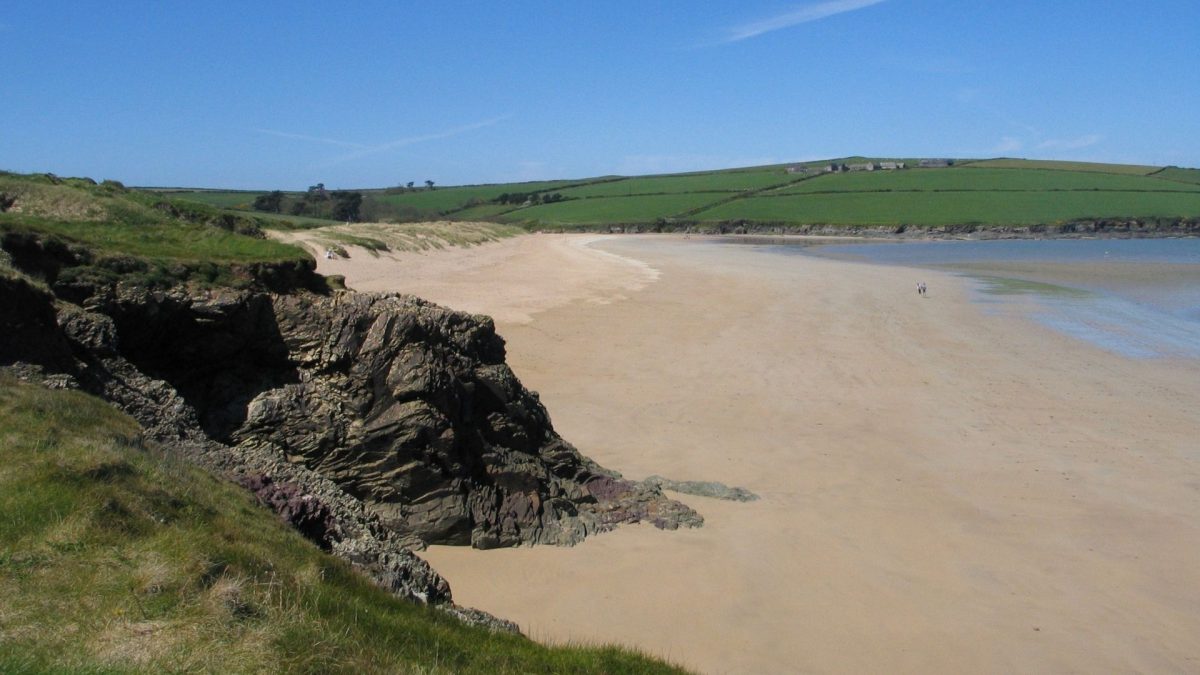
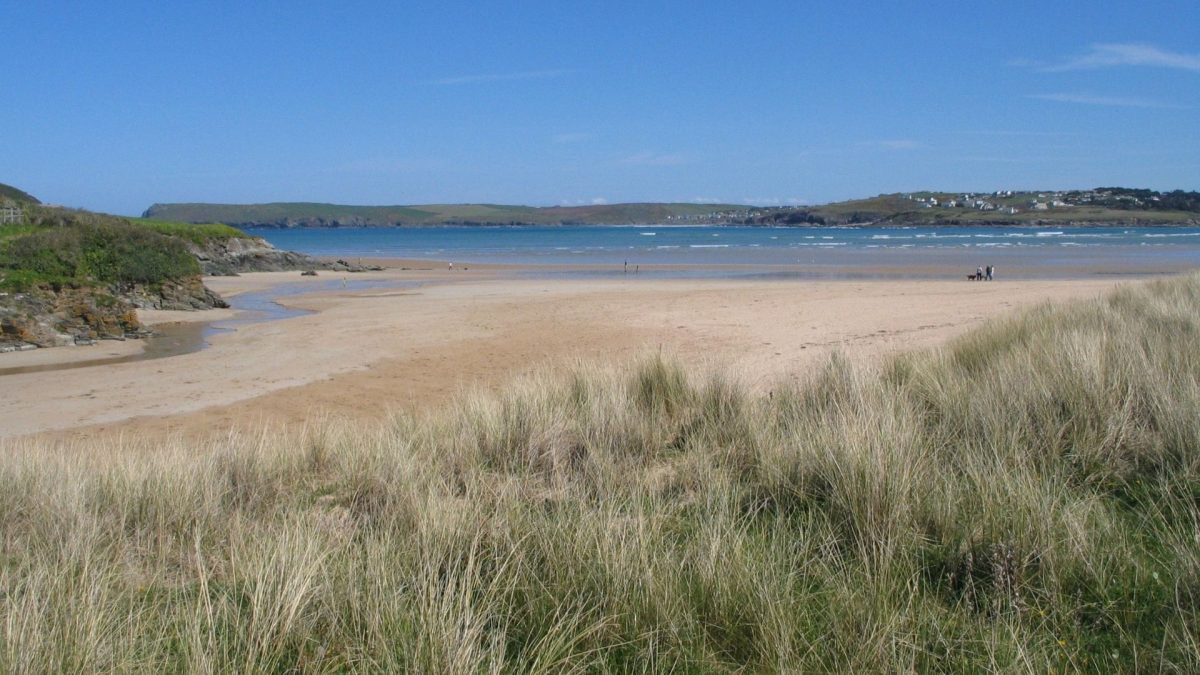

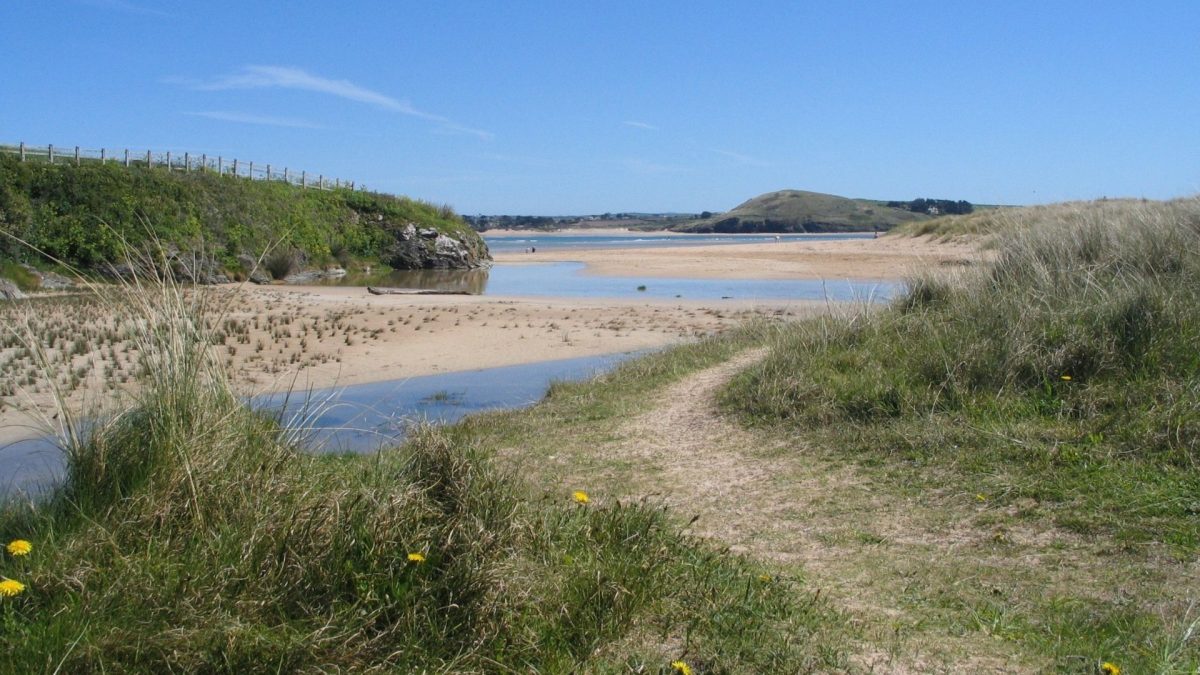
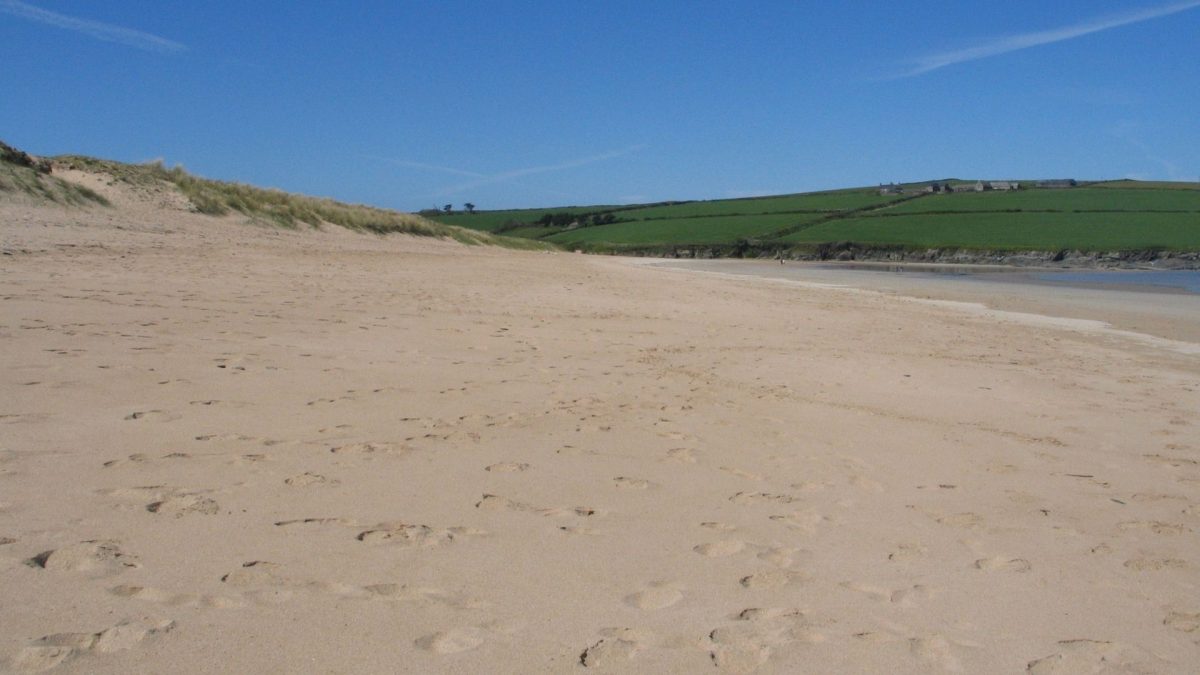
Harbour Cove, also known as Tregirls Beach, is a tranquil sandy expanse located at the mouth of the Camel Estuary near Padstow. Characterised by vast sand flats at low tide, the area offers stunning estuary views and a peaceful atmosphere away from busier beach destinations.
This beach is sheltered, making it ideal for walking, picnics, and enjoying the natural scenery. The lack of onsite facilities and road access means Harbour Cove remains largely undeveloped and best suited to those looking for a quieter escape into nature.
At low tide, Harbour Cove links with neighbouring Hawker’s Cove, providing ample space for exploration, with unique views towards Doom Bar and the surrounding estuary environment. The area is popular for dog walkers due to the absence of seasonal restrictions.
 Add Review
 Read More Reviews

Hope
in the last weekWater is the warmest we have found
Davey Leslie
2 months agoSite of "From Constantinople to Cornwall (Full Episode) | S15 EP10 | Time Team (Padstow, Cornwall)"
dahtal michaels
3 months agospectacular! the sand can be soft in places, and the path down is steep, but i managed both without my stick, and the beach is so lovely it's worth the walk
Out n about
4 months agoPart of the huge sandy Padstow Estuary. Parking in season is £3 a day that leaves just a short walk to the cove. Out of season there is lots of roadside parking. This cove is mostly covered when the tide is in.
Bart - The Place & Pub Finder
6 months agoThe rolling (excavated) fields flow down onto the beach and were featured on Time Team S15-E12 ‘From Constantinople to Cornwall’ And if you want a quiet beach with no commercialism this one is for you, no public parking nearby but an easy to walk from Padstow (circa 35 mins) but takes about one hour 20 from Trevone The old lifeboat station is also visible, abandoned years ago because of the moving sands preventing the lifeboat being launched Opposite side of the estuary is St Enedoc church, where you will find Sir John Betjeman Part of the headland cliff face at the estuary mouth was blown up / excavated years ago to prevent sailing ships losing the wind from their sails when entering the waters.